
Planning approval can feel like the finish line.
The design has come together. The drawings are in. The Local Authority has granted
consent. There’s a moment of relief, and rightly so. It’s a real milestone.
But much of the detailed work that supports construction is still ahead of you.
What planning drawings are really for
Planning drawings exist to communicate the proposal. They give the Local Authority the information it needs to understand what’s being built, how it will look, and how it sits within its surroundings.
They don’t, however, tell a contractor how to build it.
Where technical design comes in
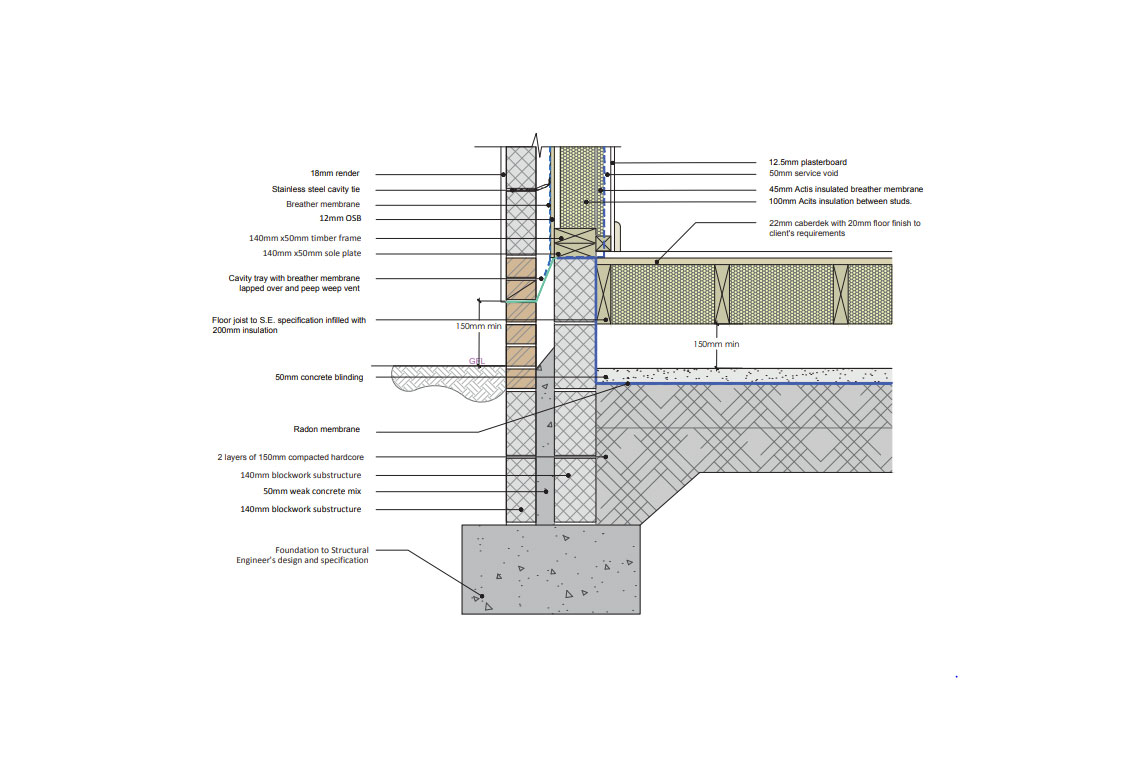
Technical design is the next stage. It takes the approved design and develops it into the
information needed for construction.
This is where the practical questions get answered. How do new and existing elements
connect? How will the project meet Building Regulations? What level of detail does a
contractor need to price the work accurately and build it properly?
It’s the slower, quieter stage of the process. Usually the longest. For good reason.
Two parts of one process
For us, planning and technical design are closely connected parts of the same journey.
Planning shapes the proposal and secures approval. Technical design turns that approved design into something that can be carefully coordinated and confidently built.
You need both. And they need to talk to each other.
Frequently asked questions
Why is technical design often one of the longest stages of a project?
Because much of the thinking that supports construction is resolved here. The more
questions answered now, the fewer surprises later.
Why can't a contractor build directly from planning drawings?
Planning drawings explain the proposal. Technical drawings provide the level of detail a
contractor needs to price the work, coordinate the trades, and build the project properly.
Does technical design include Building Regulations information?
Yes. Technical design usually brings together the information needed for Building
Regulations approval, along with the construction details that support the build itself.